Always Having Fun: A Playful Font for Modern Design
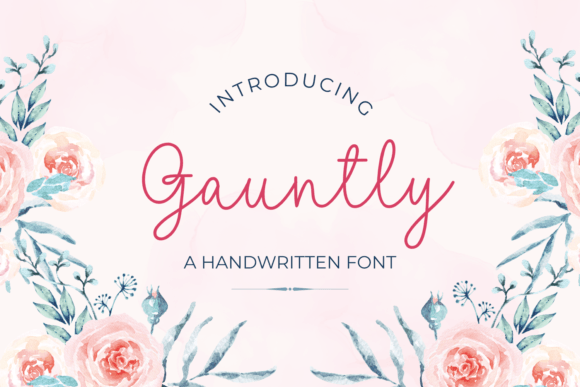
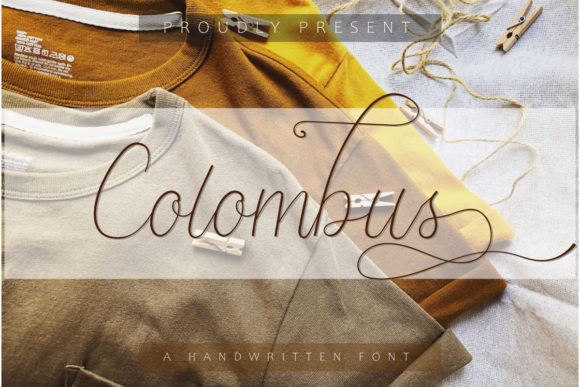
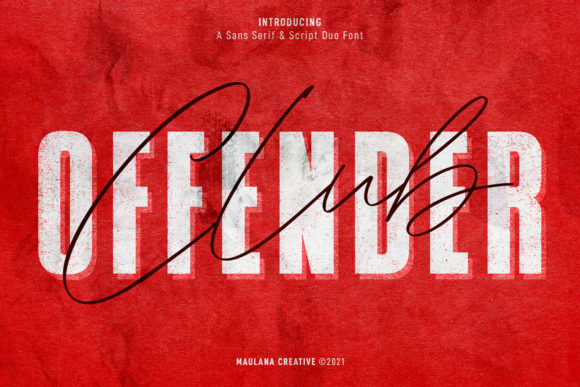
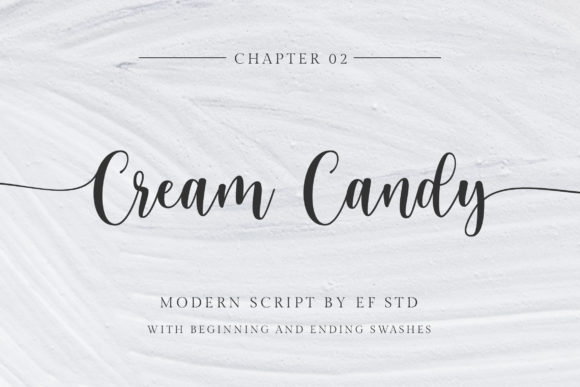
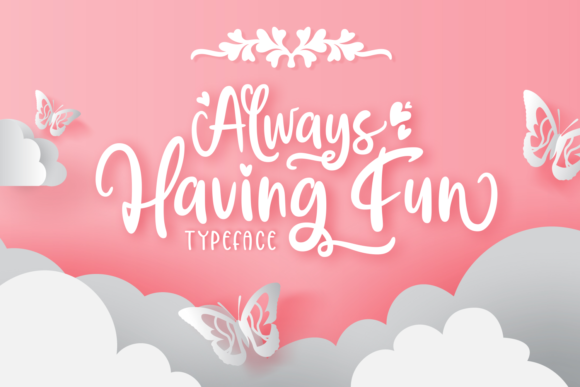
In a digital landscape crowded with sterile sans-serifs and predictable serifs, injecting genuine personality into a design can feel like a challenge. Enter Always Having Fun, an elegant and playful handwritten font that solves this problem with effortless charm. Full of energy and a childlike whimsy, it is more than just a typeface; it is a creative tool designed to inject immediate warmth and approachability into any visual project, from branding to social media graphics.
For graphic designers and creators, typography is a foundational pillar of visual communication. The right font does not just display words; it conveys tone, emotion, and brand values. Always Having Fun excels in this role, offering a solution for projects that require a human touch. Its flowing, energetic strokes create an instant connection with the viewer, making it an invaluable asset in a designer's toolkit for breaking away from rigid, corporate aesthetics.
Practical Applications for Visual Impact
The versatility of a well-crafted handwritten font allows it to enhance a wide array of creative projects. Its application can transform standard materials into memorable experiences that strengthen brand identity and improve user engagement.
- Branding and Logo Design: Ideal for brands that want to appear friendly, creative, and authentic. It works beautifully for boutique shops, artisanal products, children's brands, or personal blogs seeking a distinctive logo.
- Marketing and Social Media: Grabs attention in crowded feeds. Use it for headlines in digital marketing campaigns, engaging Instagram stories, or eye-catching quote graphics that encourage shares and interaction.
- Editorial and Packaging Design: Adds a handcrafted feel to book covers, magazine pull-quotes, or product packaging, especially for items like cosmetics, snacks, or stationery where a personal touch is a key selling point.
- Web and UI Design: While not for body text, it serves as a powerful accent in hero sections, call-to-action buttons, or testimonial highlights, guiding the user's eye and enhancing the overall UX design with emotional appeal.
Integrating Playful Typography Effectively
Successfully incorporating a font like Always Having Fun requires thoughtful consideration of design principles. Its strength lies in its expressiveness, so balance is key to maintaining a professional presentation and clear visual hierarchy.
First, consider readability and scalability. A handwritten font is most effective at larger sizes for headlines or short phrases. Avoid using it for lengthy paragraphs or critical UI navigation elements where clarity is paramount. Pair it with a simple, neutral sans-serif for body text to create a harmonious contrast that is both beautiful and functional.
Second, align the font with your audience and design goals. Its playful nature suits specific contexts. Evaluate whether the tone matches your brand's voice—whether for a playful startup, a creative portfolio, or a marketing campaign targeting a younger demographic. Consistency across your brand identity is crucial; ensure its use feels intentional across all touchpoints, from print design to web design.
Elevating Your Design Workflow
Quality creative assets are investments that streamline the design process and elevate outcomes. A versatile font like this one can become a cornerstone of a project's visual style, inspiring color palette choices and compositional layouts. It encourages designers to think beyond conventional grids and explore more dynamic, fluid arrangements that capture modern aesthetics.
When selecting any design asset, always test it in context. Mock up applications in your specific project—whether it's a presentation slide, a merchandise mockup, or a website wireframe. This practical evaluation ensures the asset enhances rather than distracts, contributing to a polished and cohesive final product. Thoughtful design choices, from typography to composition, ultimately bridge the gap between aesthetic appeal and effective communication, turning ordinary projects into compelling visual stories.