Hamilton: Elevating Design with Modern Calligraphy
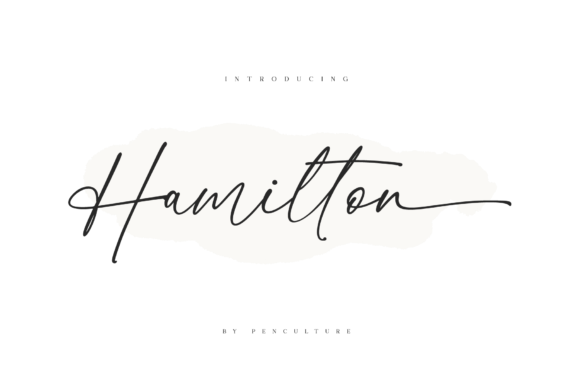
Every designer knows the power of a single typeface to transform a project from ordinary to extraordinary. In the realm of modern calligraphy, Hamilton stands out as a sophisticated and versatile choice, offering a blend of classic elegance and contemporary flair. Its beautiful stroke, complete with lovely ligatures and alternates, provides a unique tool for creating visual narratives that resonate deeply with audiences.
The Anatomy of a Premium Typeface
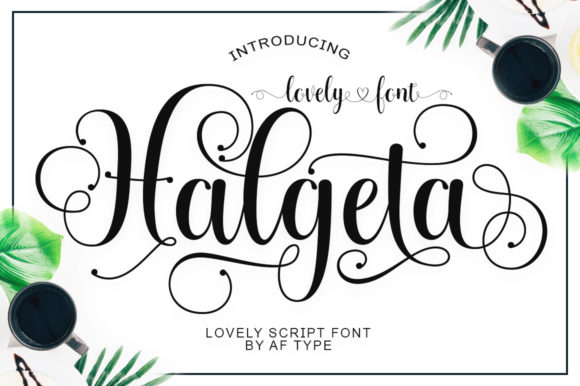
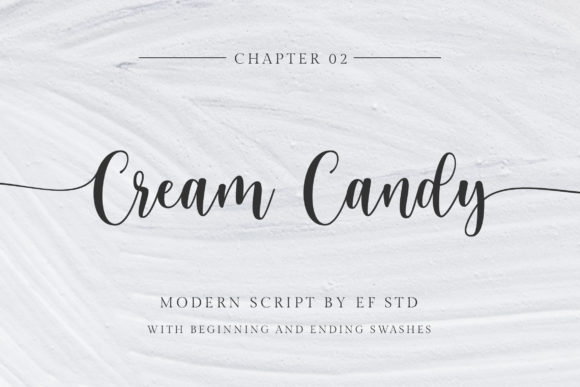
At its core, Hamilton is a modern and classy calligraphy font designed for clarity and impact. What sets it apart is its attention to detail. The beautiful ligatures seamlessly connect letters, creating a natural, handwritten flow that avoids the mechanical feel of many digital scripts. The lovely alternates allow designers to customize letterforms, ensuring each word can have its own unique character. This level of control is essential for effective visual communication, where typography is not just text but a key component of the brand's voice.
Furthermore, Hamilton is PUA encoded, a critical feature for professional use. This means every glyph, swash, and stylistic alternate is fully accessible, even in software that doesn't natively support advanced OpenType features. This eliminates a common barrier in design workflow, allowing for seamless integration into any creative project, from logo design to digital marketing assets.
Practical Applications Across Creative Projects
The true value of a typeface like Hamilton is realized in its application. Its modern yet timeless aesthetic makes it incredibly adaptable across various design disciplines. For branding and identity, it can convey luxury, craftsmanship, and personalization. Imagine it on a wedding invitation suite, a boutique hotel's stationery, or a premium skincare product label—it immediately sets a tone of sophistication.
Consider its role in broader visual design contexts:
- Marketing & Social Media: Hamilton can create eye-catching headlines for social media graphics, email campaigns, and digital ads, helping a brand stand out in a crowded feed and improve user engagement.
- Editorial & Web Design: Used sparingly for pull quotes, section headers, or logo marks in editorial layouts and web design, it adds a touch of artistry without sacrificing readability in body text.
- Packaging & Merchandise: Its elegant strokes can elevate packaging design, from wine labels to artisanal goods, and translate beautifully onto merchandise like tote bags or stationery.
Integrating Hamilton into Your Design System
Choosing the right creative asset is only the first step. Effective integration requires a strategic approach to maintain brand consistency and visual hierarchy. When introducing Hamilton, pair it with a clean, neutral sans-serif or serif font for body copy to ensure legibility and create a balanced typographic scale. Use its alternates and ligatures purposefully to highlight key words or phrases, guiding the viewer's eye through the composition.
Always consider your audience and the platform. While its beautiful stroke is perfect for high-resolution print, test its scalability on smaller digital screens to ensure it remains crisp and legible. A thoughtful color palette that complements the font's elegant style will further strengthen your overall design quality, whether you're developing a full brand identity or crafting a single presentation slide.
In a digital landscape where first impressions are visual, investing in high-quality typography is not an aesthetic luxury but a communication necessity. A versatile and well-crafted font like Hamilton empowers designers, marketers, and business owners to produce professional, cohesive, and emotionally resonant work. By making thoughtful choices about your visual assets, you ensure that every project communicates with both beauty and precision, ultimately enhancing the user experience and solidifying your creative vision.