Orments: A Floral Dingbats Font for Romantic Design
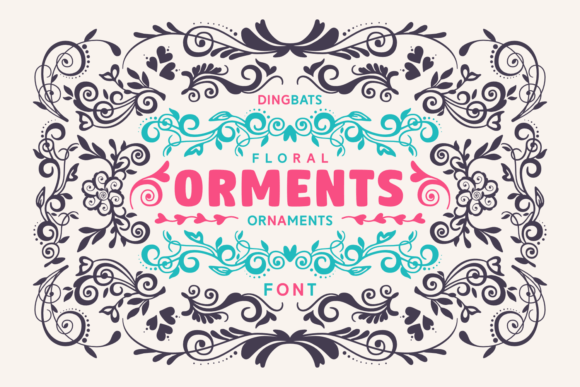
Imagine a single design element that can instantly soften a layout, inject personality, and communicate a specific mood without saying a word. That’s the power of a well-chosen decorative font like Orments. This fun and beautiful dingbats font, full of floral charm, is more than just a set of symbols—it's a versatile creative asset designed to add a romantic twist to any project. For graphic designers, marketers, and creators seeking to evoke elegance, whimsy, or natural beauty, understanding how to leverage such a typeface can significantly elevate your visual communication.
Understanding the Role of Decorative Typography in Modern Design
In the realm of graphic design, typography is a cornerstone of brand identity and user experience. While functional fonts ensure readability, decorative typefaces like Orments serve a different, equally vital purpose: they act as visual punctuation. These specialized character sets allow designers to create custom ornaments, borders, dividers, and illustrative accents that are perfectly integrated with the typographic system of a project. This approach ensures visual harmony and reinforces the intended aesthetic, whether for digital marketing, packaging design, or editorial layouts.
Practical Applications for Orments in Your Creative Projects
The true value of a creative asset like Orments lies in its application. Its floral motifs and charming style make it particularly effective for projects that aim to connect on an emotional level. Here’s how you can integrate it into your design workflow:
- Branding and Logo Design: Use Orments to craft unique brand marks, monograms, or subtle embellishments for logos, especially for businesses in beauty, wedding planning, boutique retail, or artisanal goods.
- Marketing Materials: Enhance brochures, flyers, and digital ads with decorative dividers or corner accents that draw the eye and break up text, improving visual hierarchy.
- Social Media Graphics: Create standout Instagram stories, Pinterest pins, or Facebook banners with custom decorative elements that increase engagement and shareability.
- Website and UI Design: Apply floral icons or ornamental borders in website headers, section dividers, or loading animations to add personality to the user interface without compromising functionality.
- Packaging and Print Design: Elevate product packaging, wedding invitations, greeting cards, or event programs with elegant, print-ready ornamental details that convey quality and care.
Tips for Selecting and Using Design Elements Effectively
Incorporating any new creative asset requires thoughtful evaluation to ensure it aligns with your design goals. Consider these factors when working with fonts like Orments or other decorative elements:
- Purpose and Audience: Always start with your project’s objective and your target audience. A romantic floral font is perfect for a wedding boutique but may not suit a corporate tech startup.
- Consistency and Brand Systems: Ensure the style of the decorative elements complements your existing color palette, imagery, and primary typefaces. Consistency strengthens brand recognition.
- Readability and Scalability: Test decorative characters at various sizes. They should be clear and impactful in both large hero sections and small footnote accents without losing their charm.
- Visual Hierarchy: Use ornamental elements to guide the viewer’s eye, not distract from the core message. They should support the content, not overwhelm it.
- Technical Compatibility: Verify the font file format (OTF, TTF) works with your design software and check licensing for your intended use, especially for digital products or merchandise.
Thoughtful design is about making intentional choices that align aesthetics with communication goals. Integrating a specialized asset like the Orments dingbats font into your toolkit demonstrates a commitment to detail and craftsmanship. By selecting quality creative resources that resonate with your project's narrative, you not only enhance the visual appeal but also strengthen the emotional connection with your audience, ultimately leading to more effective and memorable design outcomes.