The Charm of Handwritten Typography in Design
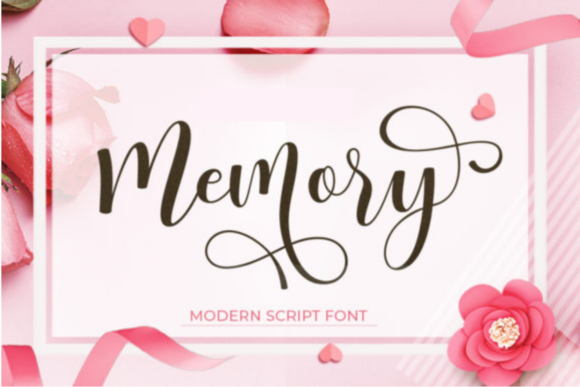
Choosing the right typeface can transform a simple message into an emotional connection. One font that consistently delivers this impact is Memory, a cute and casual handwritten script designed to bridge the gap between professional polish and human warmth. In the current landscape of graphic design, where authenticity drives user engagement, typefaces that mimic organic handwriting are no longer just decorative—they are essential tools for modern branding.
The versatility of Memory lies in its ability to adapt to various creative projects without losing its friendly character. Whether you are working on branding for a lifestyle startup or designing social media graphics for an influencer, this script offers a unique visual hierarchy. It commands attention not through aggressive geometry, but through the elegance of its swashes and ligatures. These stylistic alternates allow designers to customize words, ensuring that headlines look distinct and tailored rather than generic. This level of customization is vital for logo design and visual identity, where every curve contributes to the overall brand narrative.
Practical Applications for Modern Creators
In the realm of digital marketing and visual communication, the utility of a font like Memory extends far beyond simple text placement. Its friendly aesthetic makes it a prime candidate for projects that require a personal touch. For instance, in packaging design, a handwritten script can evoke feelings of craftsmanship and care, suggesting that the product inside was made with attention to detail. Similarly, in editorial design, such as magazine headers or blog post graphics, it helps break the monotony of standard serif or sans-serif blocks, guiding the reader’s eye naturally.
When integrating this typeface into your design workflow, consider the following applications:
- Social Media Content: Use Memory for Instagram quotes, stories, and highlight covers to create a consistent, approachable feed that encourages interaction.
- Wedding and Event Stationery: The script’s elegant swashes make it ideal for invitations, save-the-dates, and thank-you cards, adding a touch of sophistication to print design.
- Website Headers: In UI design, pairing a handwritten font with a clean sans-serif for body text can create a striking contrast that improves the user experience by establishing a clear visual hierarchy.
- Merchandise: From tote bags to coffee mugs, the casual nature of the font translates well to physical products, making them feel trendy and relatable.
Typography and Visual Hierarchy
Effective typography is about more than just aesthetics; it is about communication. When selecting creative assets like Memory, designers must evaluate readability and scalability. While decorative scripts are beautiful, they perform best as display type—used for titles, headers, or call-to-action phrases—rather than long-form body copy. Ensuring that your text remains legible across different devices, from mobile screens to large format prints, is a cornerstone of professional presentation.
Furthermore, the choice of typography must align with the existing color palette and imagery. A handwritten font pairs exceptionally well with soft pastels, earth tones, or high-contrast black-and-white photography. This synergy between type and color reinforces the brand identity, creating a cohesive experience for the viewer. For business owners and marketers, understanding these nuances means the difference between a design that looks "amateur" and one that feels "artisanal."
Enhancing Brand Identity
Ultimately, the goal of using a distinctive font is to humanize the brand. In an era dominated by automation and AI, consumers crave genuine connection. A script like Memory signals that there is a human behind the screen, fostering trust and loyalty. By thoughtfully applying this font to your digital marketing materials, advertising campaigns, and creative projects, you elevate the visual design from merely functional to truly memorable. The right typography doesn't just display words; it breathes life into them, turning your creative vision into a true piece of art.